
Chat Face

Chat Zalo

Phone

Thiết bị phục vụ phát triển công nghệ
Thiết bị tự động hoá công nghiệp
Linh-phụ kiện cho xe điện
Thiết bị đo lường
Thiết bị văn phòng, IT, Viễn Thông
Thiết bị gia đình
As financial barriers continue to fall and artificial intelligence rises to prominence, humanoid robots are poised to enter households much like smartphones did.
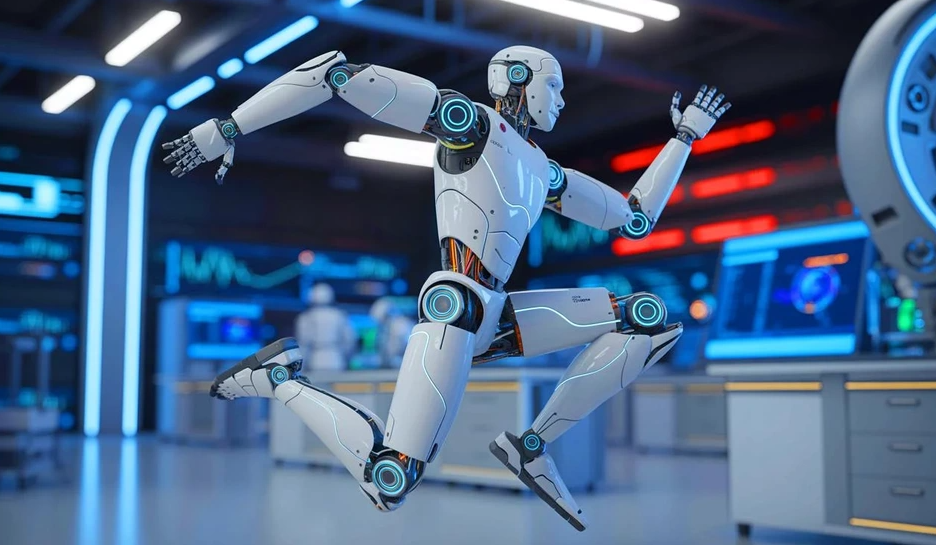
Nearly a century after Metropolis by Fritz Lang introduced the first on-screen robot, humanoids remained largely within the realm of science fiction. Today—particularly during the 2025–2026 period, widely regarded as a golden era for robotics—machines that can walk, interact, and “think” are moving beyond laboratories and into the real world.
Robots are no longer a distant-future concept. A global technology race is underway, and Vietnam stands before a historic opportunity to assert its position through a “Make in Vietnam” strategy on the global physical AI map.
According to reports from Morgan Stanley and Barclays, the world could see approximately 13 million humanoid robots deployed by 2035. That figure is projected to surge to more than one billion by 2050—equivalent to one humanoid robot for every eight people on Earth.
This expansion is widely viewed as an economic inevitability.
Economic analyst James Pethokoukis notes that the U.S. Congressional Budget Office projects that by 2030, deaths will outnumber births in the United States. In the face of mounting labor shortages, robots are not seen as job destroyers but as a necessary solution to sustain productivity and economic growth.
Barclays estimates that the cost of a humanoid robot has decreased nearly thirtyfold over the past decade—from approximately USD 3 million to around USD 100,000. With large-scale production, annual ownership costs could fall to roughly USD 10,000—comparable to the income level required to own a car.
Once financial barriers are fully removed, robots will no longer be confined to research labs but will become commonplace in factories, hospitals, and homes.
The defining difference in this new wave of robotics lies in the concept of “embodied intelligence.” While large language models such as ChatGPT function as cognitive engines within the digital realm, humanoid robots represent intelligence with a physical body—capable of interacting directly with the physical world.
Modern humanoid robots integrate advanced motor coordination with visual and language cognition, enabling more natural and adaptive interaction.
Goldman Sachs observes that generative AI has primarily expanded within finance and professional services—sectors facing relatively modest labor shortages. However, industries under significant demographic pressure—such as construction, nursing, and logistics—require physical labor. This is precisely why the world needs human-shaped robots capable of operating in environments designed for the human body.
Robots can perform physically demanding and repetitive tasks that humans increasingly avoid across manufacturing, agriculture, and healthcare.
Robots such as Digit from Agility Robotics and Figure 02 from Figure AI are currently being piloted in selected manufacturing facilities. At BMW plants in the United States, humanoid robots have begun handling material transport and assembly tasks.
Thanks to advances in AI, robots are increasingly capable of contextual awareness and adaptive action—enabling far greater scalability than previous generations of task-specific machinery.
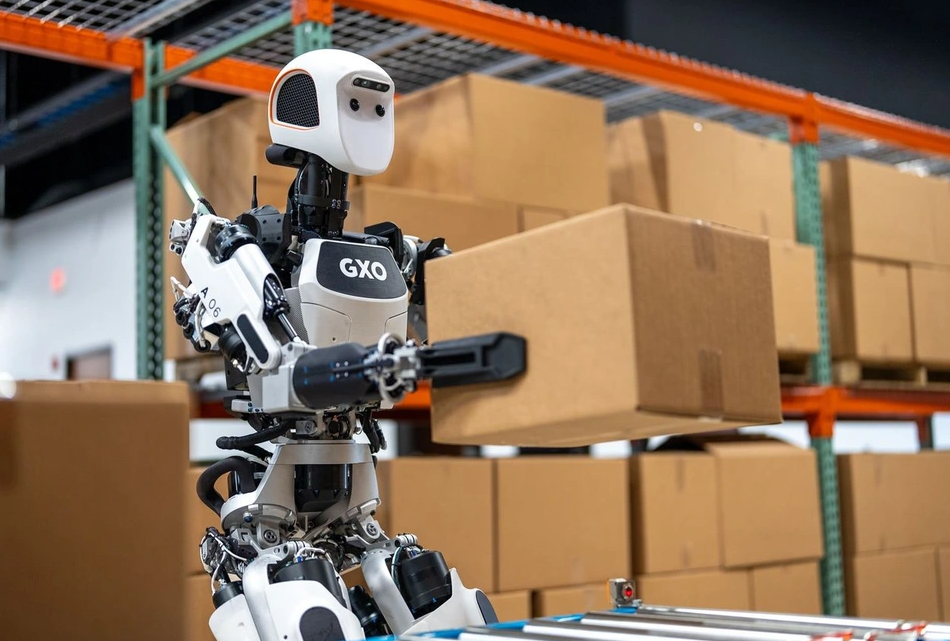
China’s rapid progress provides a clear roadmap for large-scale robot industrialization.
According to Caixin Global, 2025 marks a turning point for mass production of humanoid robots, driven by breakthroughs in both hardware and software and manufacturers’ readiness to scale.
The Chinese government has implemented strong incentive policies, including the establishment of a RMB 100 billion investment fund to support robotics startups.
Duan Bing of Nomura notes: “The United States excels in theoretical innovation, but China is unmatched in software algorithm engineering and mass manufacturing.”
Geographic industrial clusters in Shenzhen and Shanghai provide robotics firms with strategic flexibility. Jin Hanmin, Vice President of Lighthouse Capital, predicts the humanoid robotics market could become a “massive opportunity,” potentially ten times larger than the new energy vehicle sector.
Within this global context, Vietnam is no longer merely an observer. Domestic enterprises such as VinMotion and MISA have announced humanoid robotics research initiatives, drawing attention from the technology community.
According to company disclosures, “Make in Vietnam” robot prototypes are being tested with features such as autonomous charging and self-recovery after falls—critical engineering challenges in real-world deployment, though broader validation remains necessary.
Vietnamese engineers are increasingly participating in motion control and autonomous navigation algorithm development, reflecting efforts to align with international robotics standards. However, independent testing and real-world commercialization will be required to assess global competitiveness.
VinMotion Chairman Nguyễn Trung Quân has expressed ambitions for “Make in Vietnam” robots to enter international markets. Financial experts suggest that deeper integration into the supply chain of core components—such as actuators, reducers, and control systems—could unlock cost competitiveness over the medium and long term.
CSC Financial analyst Lu Juan emphasizes that greater domestic supplier participation could accelerate cost reductions across the supply chain. By leveraging Vietnam’s established strengths in electronics and automotive manufacturing to build actuator and reducer supply chains—components that account for a significant portion of total cost—the country could potentially produce cost-effective humanoid robots for regional markets.

Despite the promising outlook, the journey from laboratory prototype to everyday deployment remains complex.
At numerous global technology summits, advanced humanoid robots have still struggled with basic tasks such as folding a T-shirt. Dexterity remains one of the most significant hurdles for physical AI systems.
Psychological and social barriers also persist. The concept of “robophobia” has been discussed in psychological research, reflecting concerns about job displacement and workplace bias. Psychologist Jeff Pittelkow suggests that up to 20% of individuals may experience such anxiety: introducing robots into the workplace places them in environments already shaped by fear and preconceptions.
Data acquisition presents another major obstacle, particularly for late-moving countries. Robots must be trained using combinations of video data, teleoperation inputs, and realistic physical simulations. Leading firms such as AgiBot have established dedicated data-collection facilities to supply the “raw material” for robotic intelligence.
International experts believe robotics is approaching a “mainstream adoption threshold,” as costs decline and AI technologies become more accessible.
Technology companies are therefore accelerating efforts to transform robots from conceptual prototypes into essential personal devices—comparable to smartphones or laptops today.
Shang Yangxing, CEO of BridgeDP Robotics, notes that the technical roadmap for motion control has become clearer and is advancing rapidly.
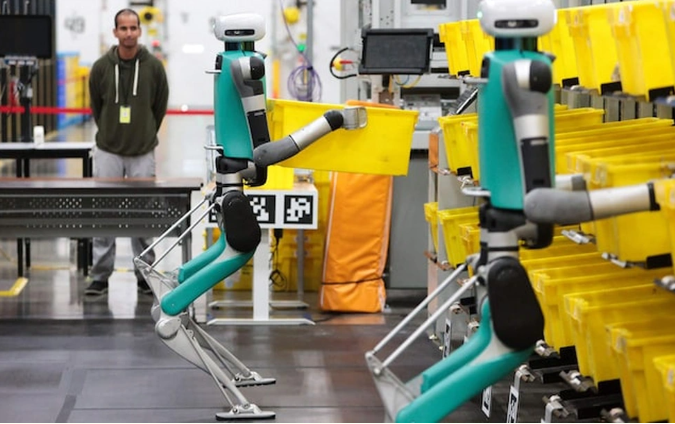
For Vietnam, rather than competing across every segment, strategic focus could be placed on specialized technologies such as robotic “cerebellum” control systems or high-dexterity robotic arms tailored to domestic industrial strengths.
Coexisting with one billion robots by 2050 would represent a profound cultural shift. Societies will need to adapt to living alongside machines.
Serious questions regarding robot rights and ethical treatment—as unpaid “servants”—are already being raised by experts and require proactive consideration.
In Vietnam, the dream of “Make in Vietnam” humanoid robots represents more than a walking machine. It symbolizes technological capability, offers a response to long-term demographic aging, and provides a pathway for Vietnam to join the ranks of nations mastering the integration of intelligent software and adaptive hardware.
As James Pethokoukis cautions, nations that resist this transformation may face significant economic consequences. Conversely, those that successfully integrate machines and human labor will shape prosperity in the century ahead.
Tin tức mới
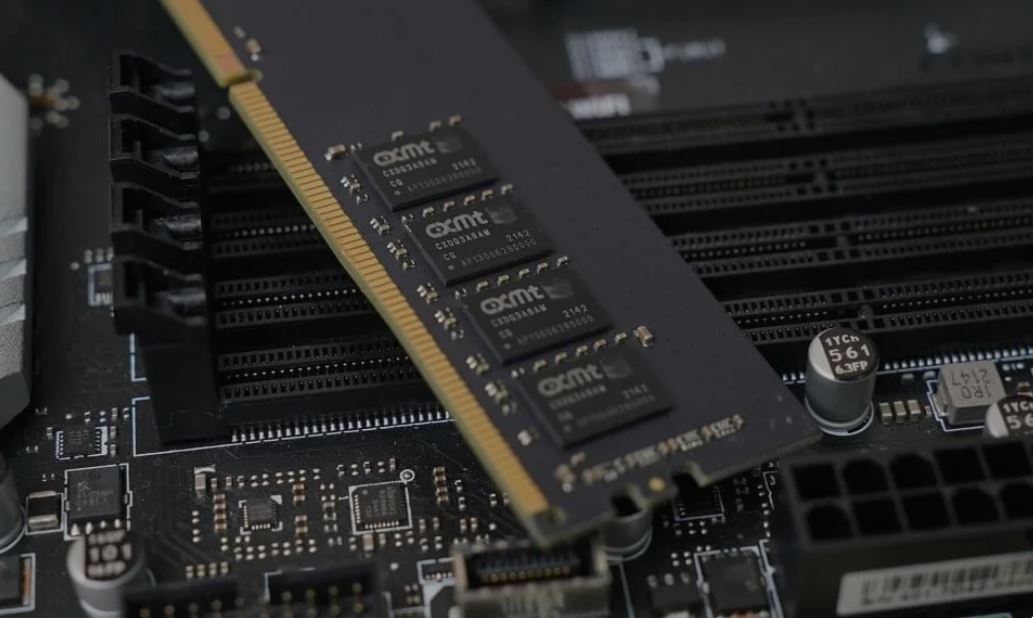
Thị trường RAM năm 2026: Giá tăng phi mã, hy vọng giá rẻ dần tan biến
25 Tháng 02, 2026

KHỞI CÔNG XÂY DỰNG NHÀ MÁY CHẾ TẠO CHIP BÁN DẪN ĐẦU TIÊN TẠI VIỆT NAM
25 Tháng 02, 2026

Google đại chiến Nvidia: Canh bạc 100 triệu USD và tham vọng lật đổ vương triều chip AI, dùng tiền để xoay chuyển cục diện thị trường bán dẫn
25 Tháng 02, 2026

Meta mua hàng triệu chip của Nvidia
25 Tháng 02, 2026
Tham gia blog chia sẻ kiến thức

TIN TỨC LIÊN QUAN
THỊ TRƯỜNG RAM NĂM 2026: GIÁ TĂNG PHI MÃ, HY VỌNG GIÁ RẺ DẦN TAN BIẾN
Năm 2026 chứng kiến một cơn bão giá chưa từng có trong lĩnh vực bộ nhớ máy tính, đặc biệt là RAM và SSD. Người dùng cá nhân và doanh nghiệp đều đối mặt với áp lực chi phí tăng cao, trong khi những kỳ vọng vào nguồn cung giá rẻ từ Trung Quốc dần trở nên xa vời. Giá RAM và SSD tăng kỷ lục Giá RAM trong quý I/20
KHỞI CÔNG XÂY DỰNG NHÀ MÁY CHẾ TẠO CHIP BÁN DẪN ĐẦU TIÊN TẠI VIỆT NAM
(Chinhphu.vn) - Dự án xây dựng nhà máy chế tạo chip bán dẫn đầu tiên tại Việt Nam do Viettel triển khai theo nhiệm vụ được Bộ Quốc phòng giao, trên cơ sở Nghị quyết của Chính phủ.
GOOGLE ĐẠI CHIẾN NVIDIA: CANH BẠC 100 TRIỆU USD VÀ THAM VỌNG LẬT ĐỔ VƯƠNG TRIỀU CHIP AI, DÙNG TIỀN ĐỂ XOAY CHUYỂN CỤC DIỆN THỊ TRƯỜNG BÁN DẪN
Trong cuộc đua vũ trang về trí tuệ nhân tạo (AI), nếu dữ liệu là "dầu mỏ" thì chip xử lý chính là "động cơ vĩnh cửu". Suốt một thời gian dài, Nvidia đã chễm chệ trên ngôi vương với dòng chip GPU thống trị thị trường. Thế nhưng, Google với tiềm lực tài chính không đáy đang ráo riết triển khai những chiến lược mới nhằm bành trướng thị phần cho dòng chip tự thiết kế, sẵn sàng đối đầu trực diện với đội Xanh. Chiến thuật "Vây Ngụy cứu Triệu"
META MUA HÀNG TRIỆU CHIP CỦA NVIDIA
Meta sẽ sử dụng hàng triệu chip Nvidia trong các trung tâm dữ liệu AI của mình theo thỏa thuận mới kéo dài nhiều năm. Mark Zuckerberg, CEO Meta, công bố thỏa thuận mới hôm 17/2, cho biết việc mở rộng quan hệ đối tác này tiếp tục thúc đẩy nỗ lực của công ty nhằm "mang siêu trí tuệ cá nhân đến cho mọi người trên thế giới". Thỏa thuận bao gồm các CPU độc lập mới và hệ thống Vera Rubin thế hệ tiếp theo của Nvidia. Meta đã sử dụng chip của Nvidia ít nhất một thập kỷ qua, nhưng thỏa thuận hôm 17/2 đánh dấu quan hệ đối tác công nghệ

ROBOT TRUNG QUỐC 'LÊN TRÌNH' CHÓNG MẶT, THẾ GIỚI KINH NGẠC
Chỉ trong một năm, robot hình người Trung Quốc đã chuyển mình ngoạn mục - từ những bước đi lóng ngóng trên sân khấu Xuân vãn 2025 sang các màn nhào lộn, võ thuật điêu luyện trong đêm giao thừa Tết Bính Ngọ 2026.
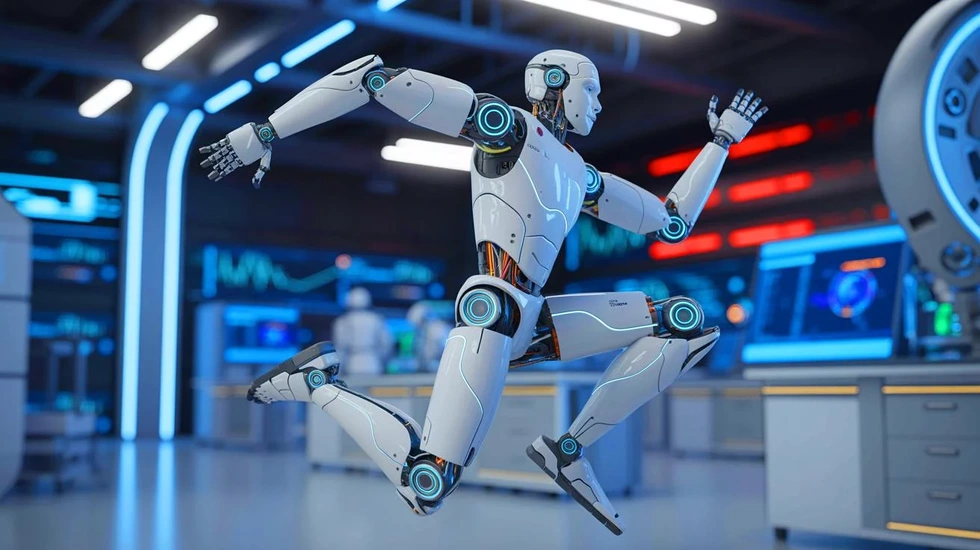
IN A FUTURE WORLD WITH ONE BILLION HUMANOID ROBOTS, WHERE WILL VIETNAM STAND?
As financial barriers continue to fall and artificial intelligence rises to prominence, humanoid robots are poised to enter households much like smartphones did. Nearly a century after Metropolis by Fritz Lang introduced the first on-screen robot, humanoids remained largely within the realm of science fiction. Today—particularly during the 2025–2026 period, widely regarded as a golden era for robotics—machines that can walk, interact, and “think” are moving beyond laboratories and into the real world. Robots are no longer a distant-future concept.
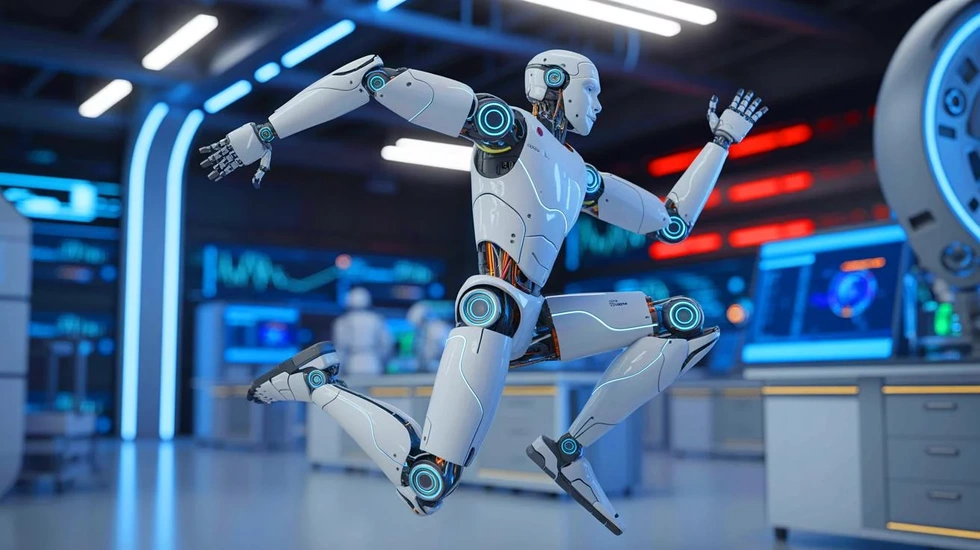
THẾ GIỚI TRONG TƯƠNG LAI VỚI MỘT TỶ ROBOT HÌNH NGƯỜI, VIỆT NAM SẼ Ở ĐÂU?
Khi rào cản tài chính bị phá vỡ và trí tuệ nhân tạo lên ngôi, robot hình người sẽ dần hiện diện trong các gia đình như những chiếc smartphone.






.webp)