
Chat Face

Chat Zalo

Phone

Office equipment, IT, telecom devices.
Technology development equipment
Industrial automation equipment
Components and accessories for electric vehicles
Measuring instruments
Home Appliances
The electronics industry plays an undeniably vital role in today’s world. From smartphones to unmanned aerial systems, electronic technology has completely transformed the way we work, communicate, and live.
In this article, we explore the ongoing revolution within the electronics industry and its profound impact on the future.
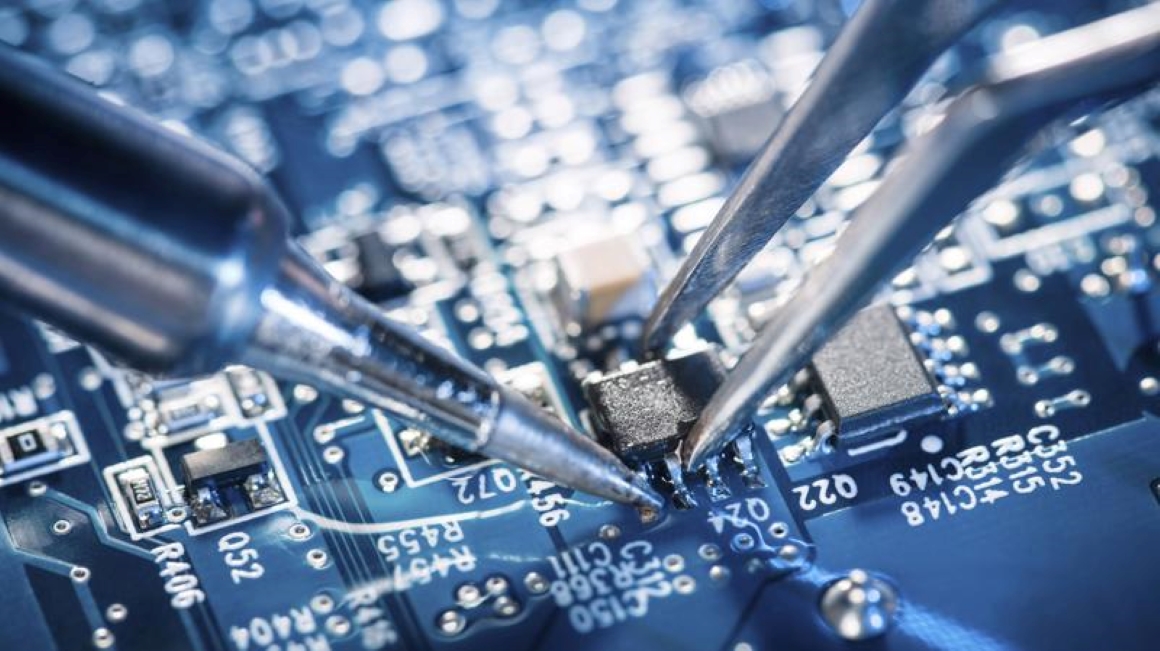
The electronics industry is a manufacturing sector that specializes in producing electronic devices and components. It plays a critical role in the development of the modern economy by supplying essential products and technologies across diverse sectors—from telecommunications, computing, and household appliances to industrial automation systems.
As one of the fastest-growing industries worldwide, the electronics industry contributes significantly to the global economy and provides millions of jobs around the world.
The electronics industry is a cornerstone of the modern economy. It is a strategic sector with a far-reaching influence that drives global economic growth and technological progress.
The electronics industry serves as a key driver of economic growth. The continuous development of innovative electronic products not only generates direct economic value but also stimulates the expansion of other industries.
Contribution to GDP: The electronics industry represents a substantial share of GDP in many nations. Electronic products and services generate high economic value and significant income.
Example: The electronics and IT industries contribute approximately 10% of the U.S. GDP. According to the Information Technology Industry Council (ITI), the ICT sector generates over USD 1.8 trillion, accounting for about 10% of the U.S. economy.
Boosting Exports: Many countries—especially in Asia such as China, South Korea, and Japan—consider the electronics sector a key export pillar that helps strengthen trade balances.
Example: China is the world’s largest exporter of electronic goods. According to the World Trade Organization (WTO), China accounted for about 30% of global electronics exports in 2021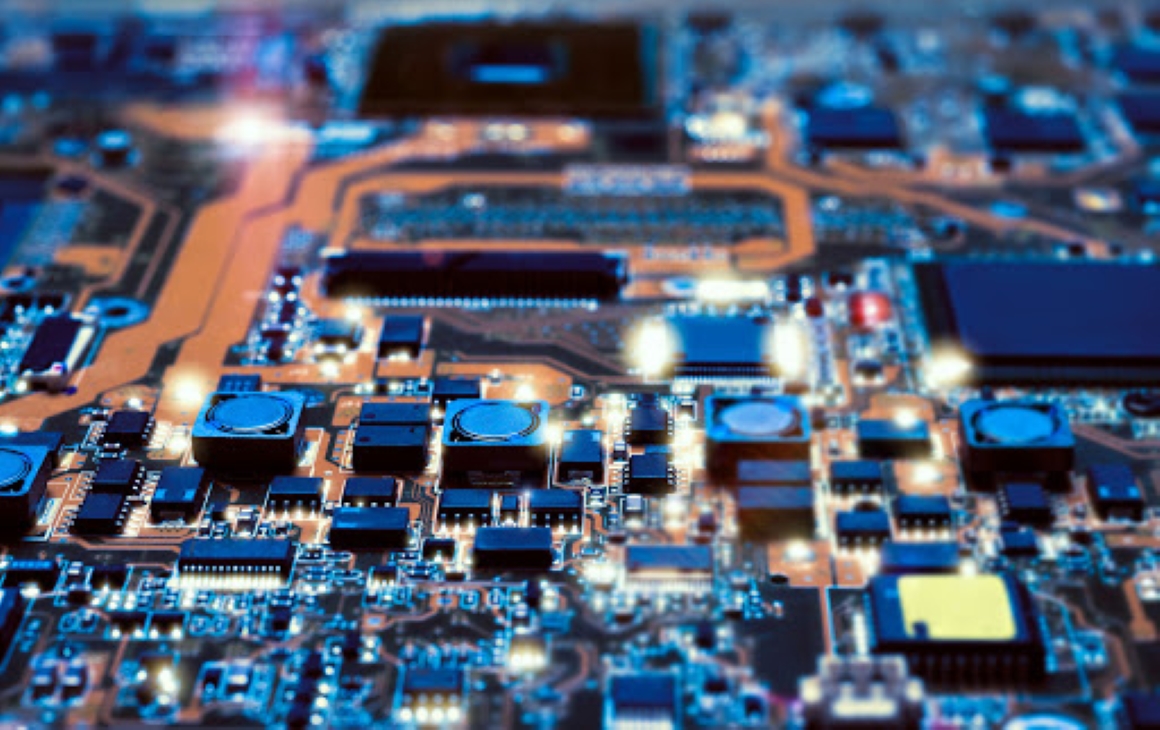
The electronics industry provides millions of jobs globally—from production and assembly to research and development (R&D).
Direct Employment: It creates manufacturing and assembly jobs for workers in electronic component and device factories.
Indirect Employment: It also generates employment in related sectors such as logistics, after-sales service, and material supply.
Logistics: The movement of raw materials, components, and finished products requires complex logistics systems—creating jobs in transportation, warehousing, and supply chain management.
After-sales Services: Warranty and repair services create employment in service centers and repair shops.
Material Supply: The demand for raw materials such as silicon, precious metals, and plastics generates jobs in mining, processing, and component manufacturing.
Moreover, the electronics industry requires a highly skilled workforce—from design engineers to R&D specialists—helping raise overall professional qualifications and expertise.
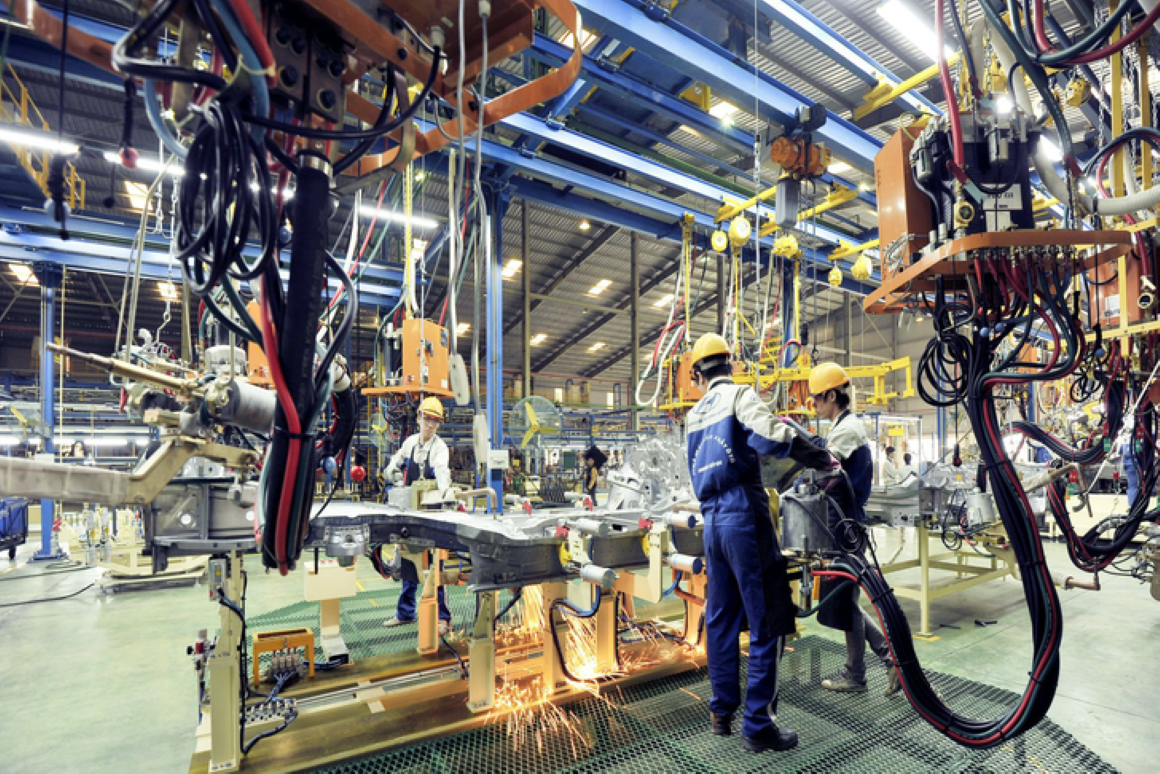
The electronics industry is at the core of global innovation.
Research and Development: Companies heavily invest in R&D to create cutting-edge technologies such as Artificial Intelligence (AI), the Internet of Things (IoT), and 5G networks.
Technological Applications: Electronics are now integral to fields including healthcare, education, transportation, and defense—enabling more advanced and efficient solutions.
The growth of the electronics industry strengthens a nation’s global competitiveness.
National Branding: High-quality electronics from countries like the U.S., Japan, and South Korea have built strong global reputations.
Foreign Investment: The industry attracts substantial foreign direct investment (FDI), promoting economic growth and technological development.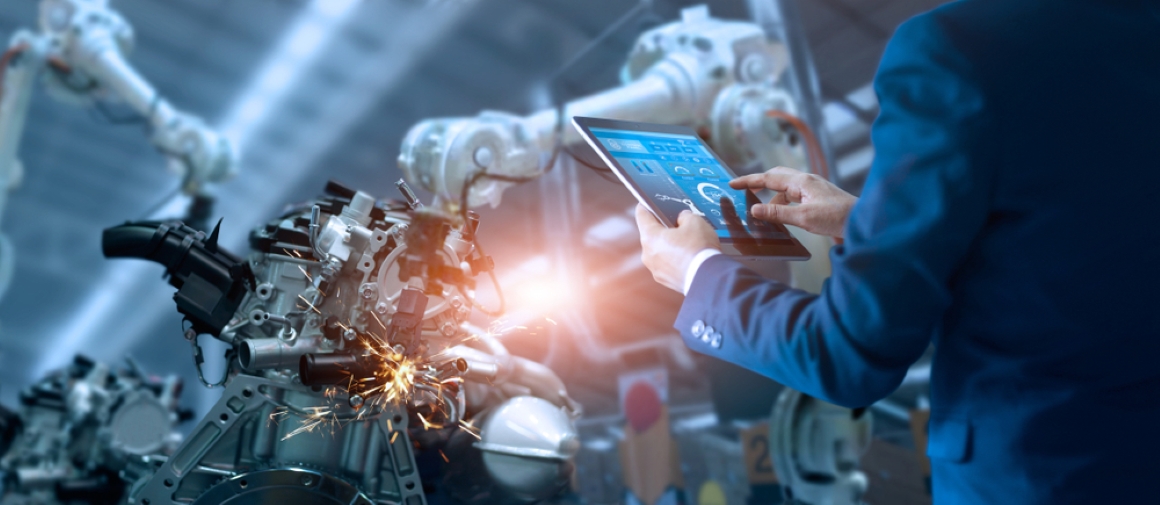
This includes equipment and systems used across industrial and technological applications.
Semiconductors and Integrated Circuits: The foundation of all modern electronics—used in computers, mobile phones, and telecommunications.
Computers and Peripherals: Such as desktops, laptops, servers, printers, and displays.
Embedded Systems: Found in appliances, vehicles, and industrial automation.
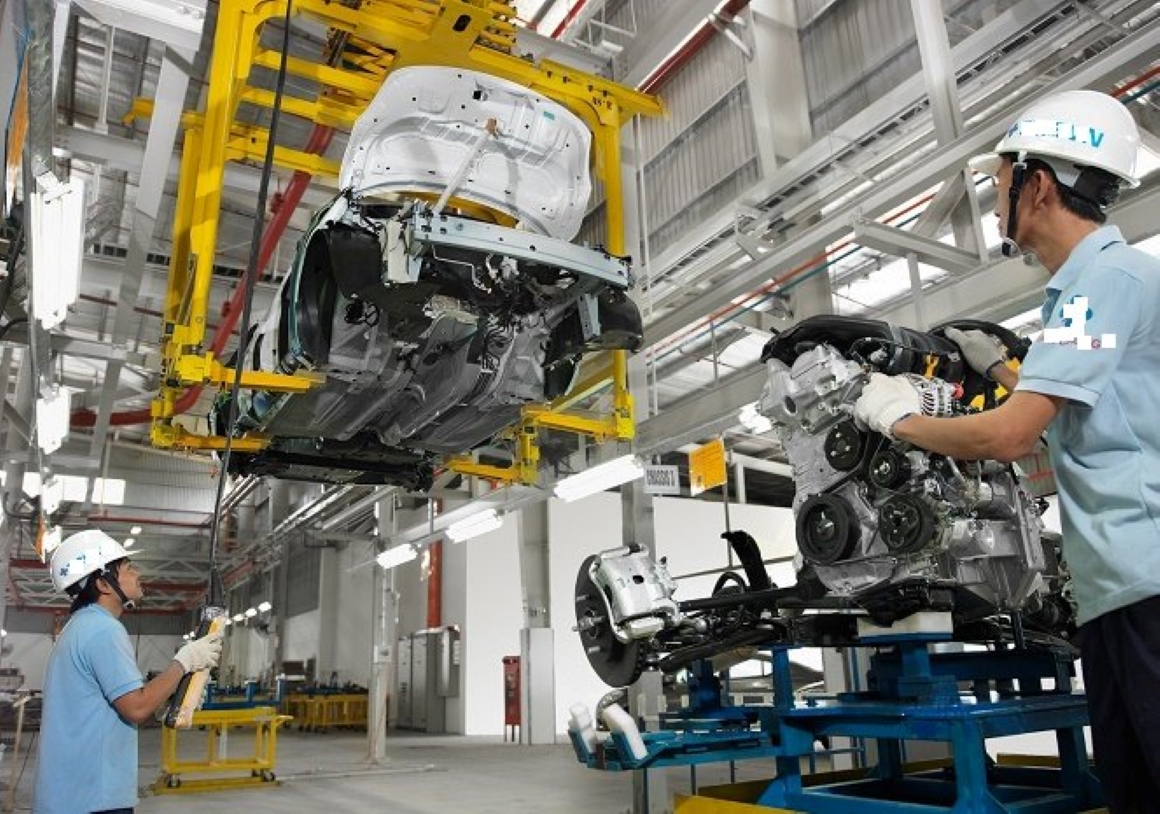
Electronics enhance vehicle performance, safety, and comfort.
Engine control systems optimize performance and reduce emissions.
Safety systems include ABS, ESC, and airbags.
Infotainment systems offer GPS navigation and multimedia.
Core technologies drive innovations in electric and autonomous vehicles.
Personal and household devices used daily.
Smartphones and tablets for communication, entertainment, and work.
Smart TVs and audio systems for immersive entertainment.
Smart home appliances like refrigerators, washing machines, and microwaves integrated with IoT.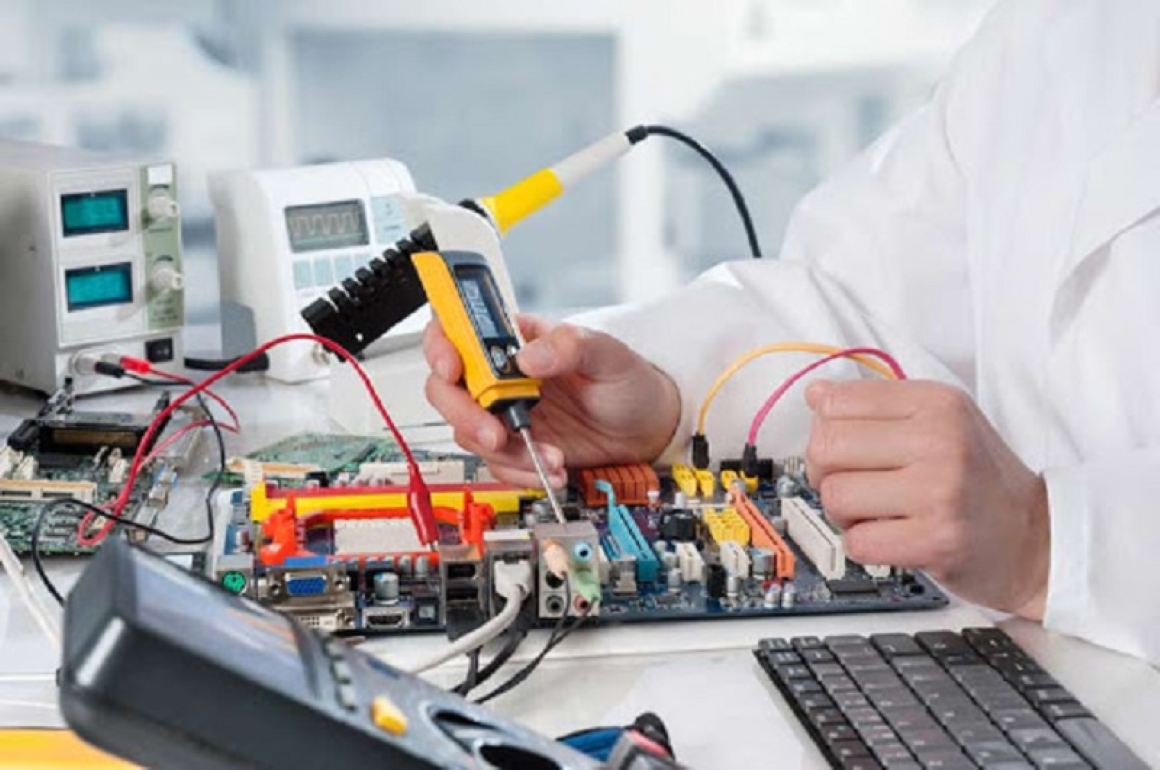
Electronics in healthcare and medical technology.
Diagnostic equipment: X-ray, MRI, and ultrasound machines.
Patient monitoring: heart rate, blood pressure, and vital signs.
Therapeutic devices: defibrillators, hearing aids, and treatment systems.
Mobile health technology: wearable and remote monitoring devices.
Devices and systems for information transmission and network connectivity.
Network equipment such as routers and switches.
Communication systems: satellite, optical fiber, and wireless networks.
Mobile devices and IoT systems.
5G technology for faster, more reliable communication.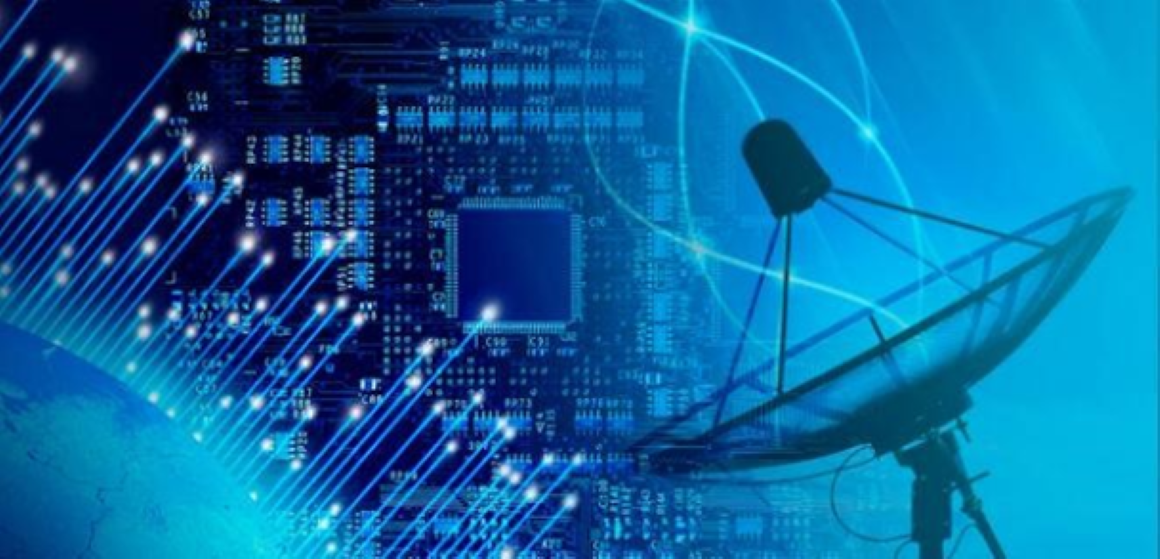
AI enables machines to learn, reason, and make decisions like humans—transforming manufacturing, services, and entertainment.
Smart Manufacturing: Automates production and reduces errors.
Data Analytics: Processes massive datasets for better decision-making.
Virtual Assistants & Voice Recognition: Common in smartphones and smart speakers.
Healthcare Applications: AI supports early diagnosis and treatment.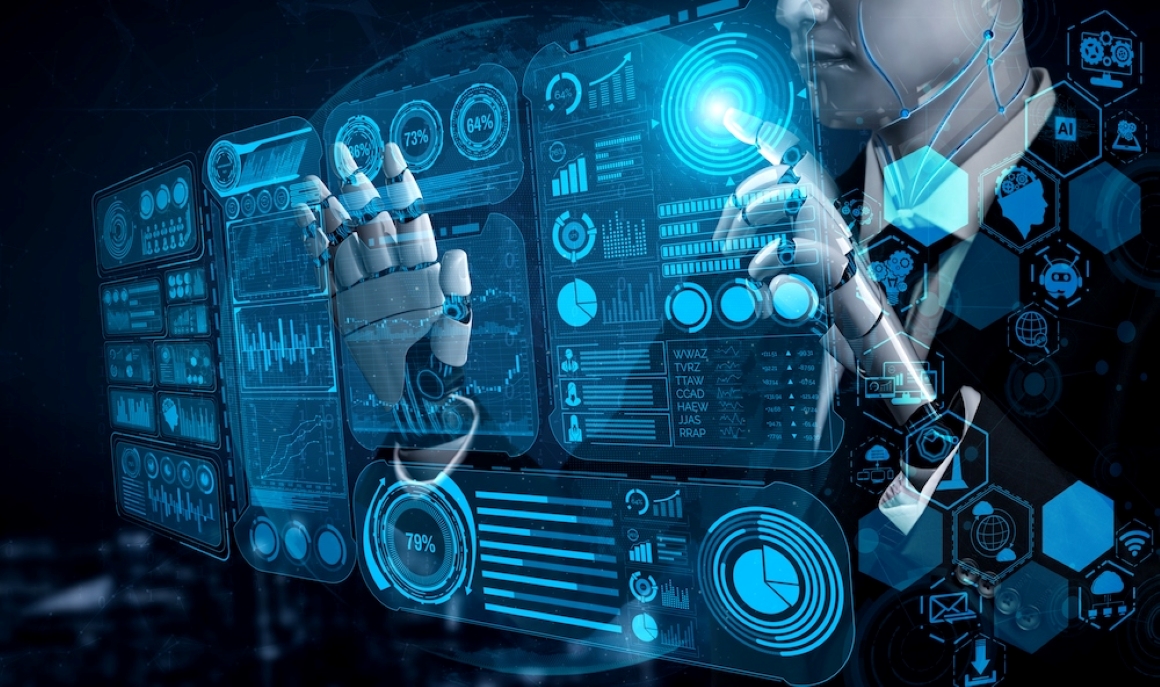
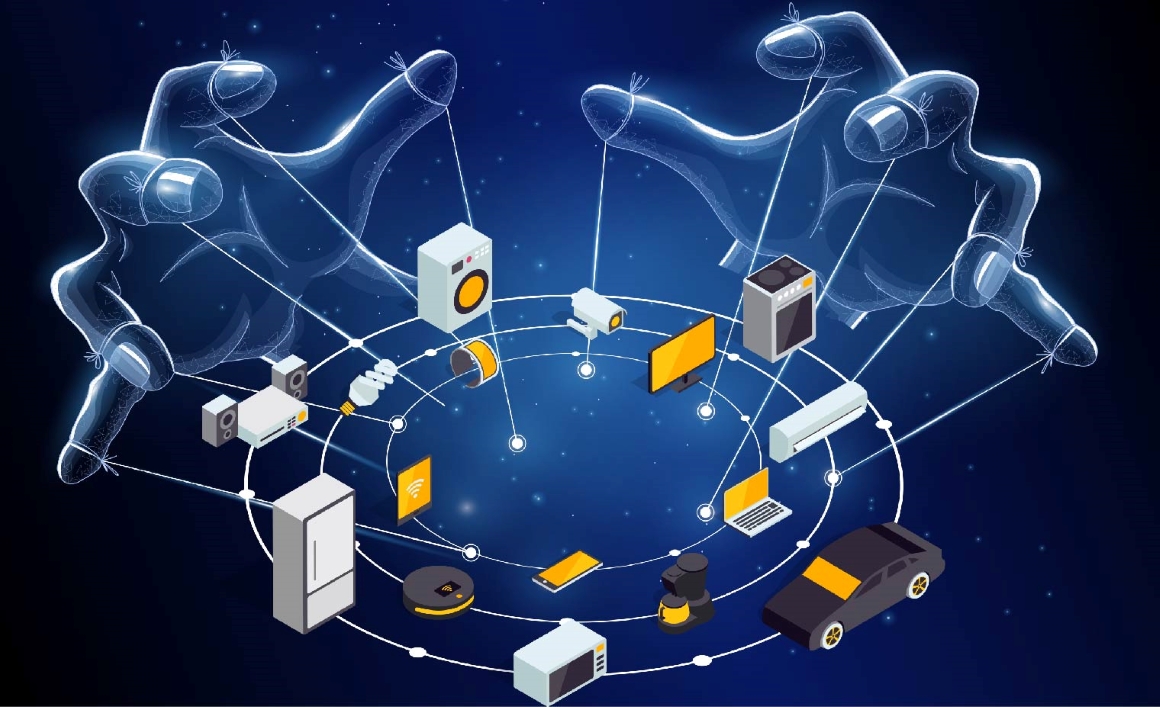
IoT connects physical devices through the internet, creating intelligent networks.
Smart Homes: Connected appliances controllable via apps.
Smart Cities: Integrated systems for traffic, energy, and public services.
Smart Manufacturing: Remote monitoring and predictive maintenance.
Smart Healthcare: Wearables and sensors for remote patient monitoring.
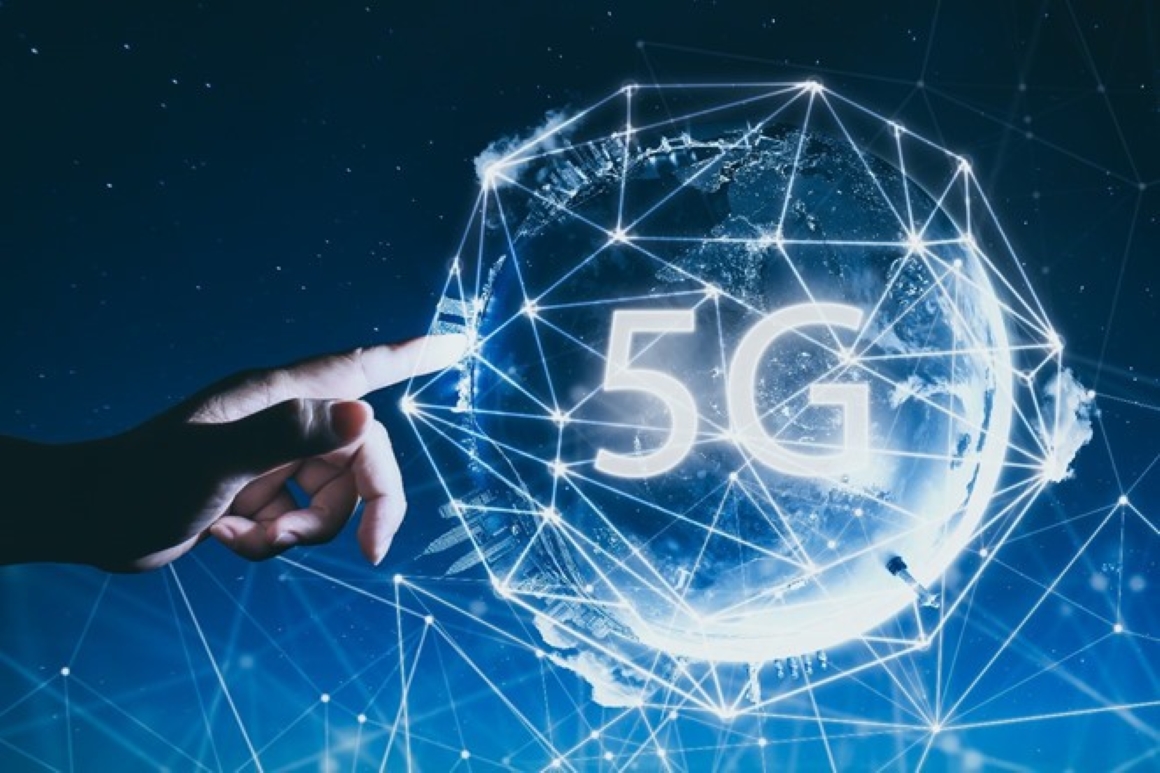
A major leap in telecommunications with ultra-fast speeds and low latency.
Enables AR/VR, autonomous vehicles, and remote healthcare.
Supports massive device connectivity for IoT expansion.
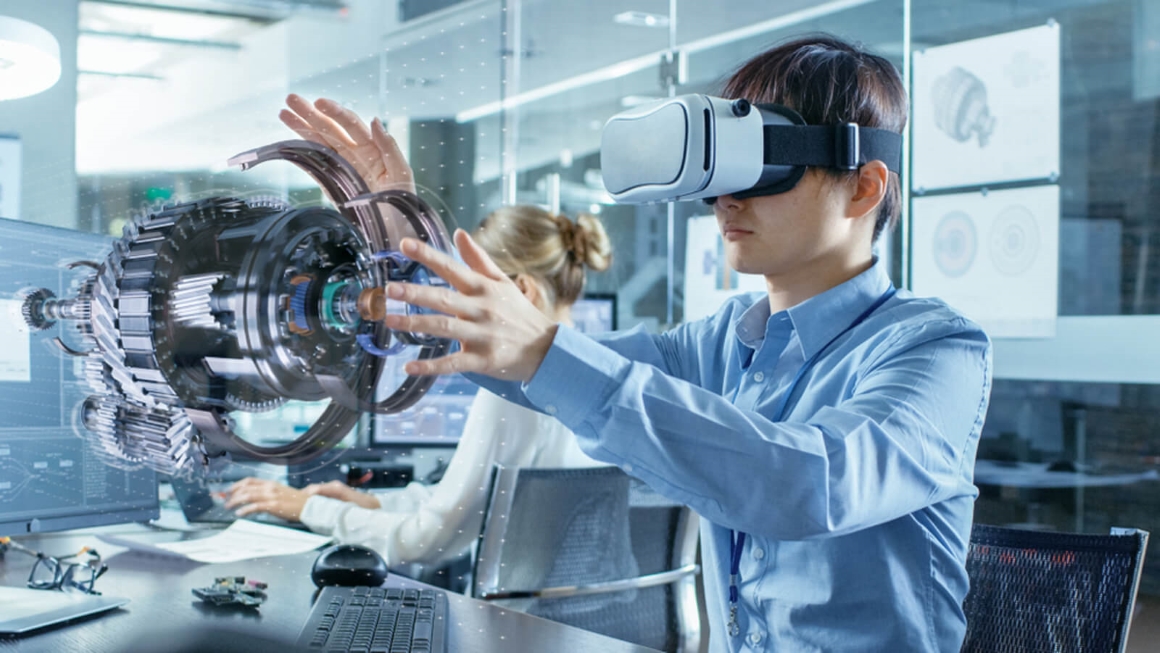
Revolutionizing entertainment, education, design, and medicine.
Entertainment: Immersive gaming and interactive media.
Education & Training: Virtual environments for experiential learning.
Design & Manufacturing: 3D modeling and prototyping.
Healthcare: AR-assisted surgeries and diagnostics.
High R&D Costs: Continuous innovation requires significant investment in AI, IoT, and 5G technologies.
Cybersecurity Risks: Increased connectivity exposes systems to cyberattacks and data breaches.
Global Competition: Fierce competition from low-cost producers such as China and India.
Complex Supply Chains: Semiconductor shortages and geopolitical disruptions pose major risks.
Regulatory Compliance: Meeting international standards like RoHS and WEEE adds operational challenges.
Technological Innovation: Emerging fields like 5G, IoT, and renewable energy create new markets.
Expanding Consumer Demand: Rising adoption of smart and wearable devices.
Energy Efficiency: Technologies like LEDs and EVs reduce consumption and emissions.
Sustainability: Growing demand for eco-friendly and recyclable products.
Customer Experience: AI-driven chatbots and smart CRM systems enhance user engagement.
The electronics industry truly represents the revolution that is changing the world. From intelligent robots to artificial intelligence, continuous innovations in this field are unlocking new possibilities for human advancement.
Stay tuned for the latest updates, trends, and insights on the industry that is shaping the future of our world.
Join the knowledge sharing blog

RELATED NEWS
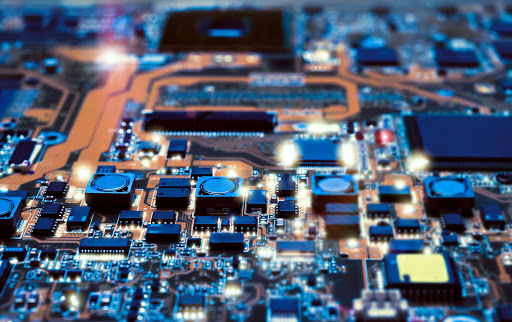
ELECTRONICS INDUSTRY: THE REVOLUTION THAT CHANGED THE WORLD
The Electronics Industry: The Revolution That Changed the World The electronics industry plays an undeniably vital role in today’s world. From smartphones to unmanned aerial systems, electronic technology has completely transformed the way we work, communicate, and live. In this article, we explore the ongoing revolution within the electronics industry and its profound impact on the future.






.webp)